

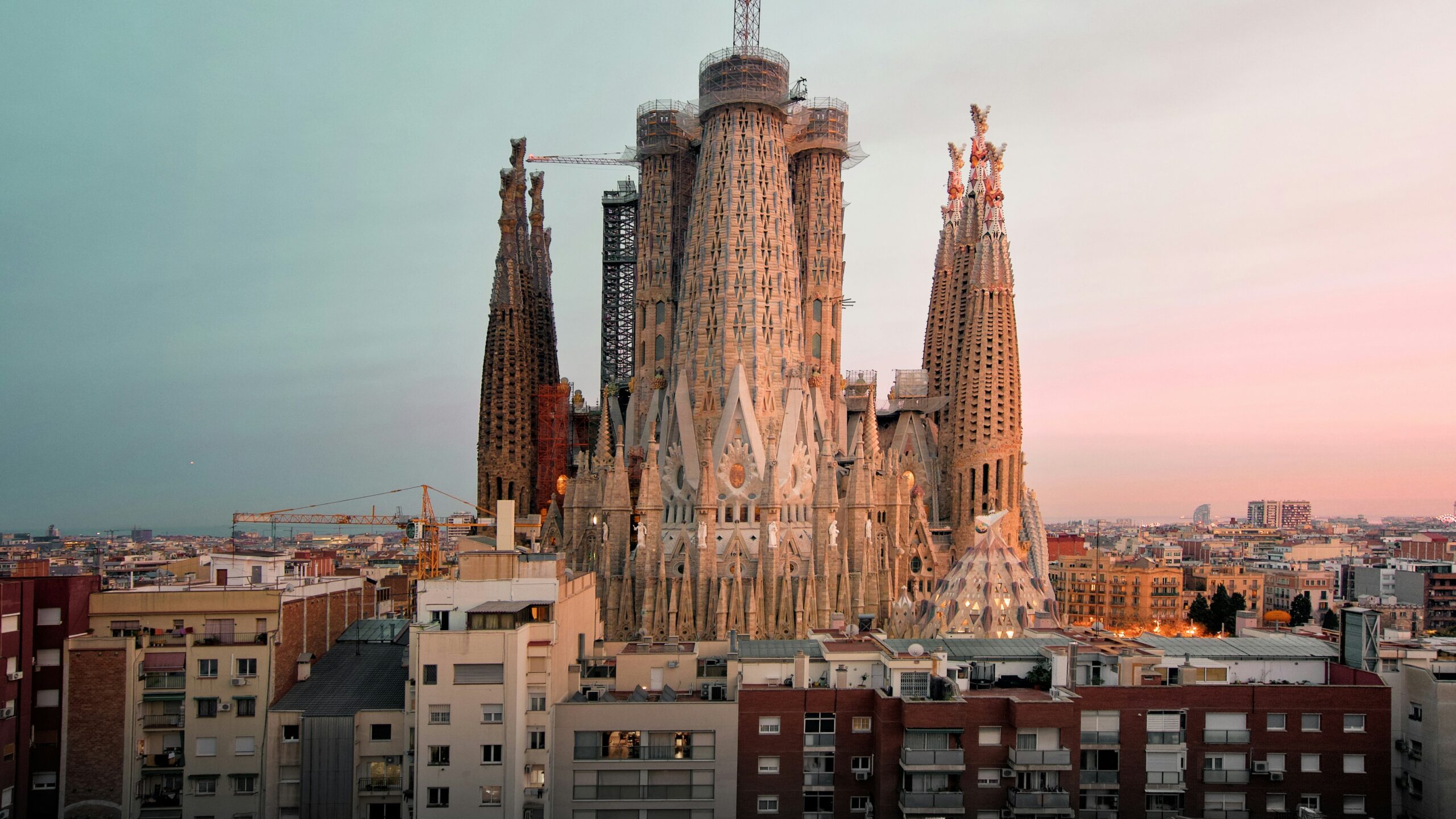
Barcelona and Antoni Gaudí are two names bound together forever. Beyond the conventional image of the Catalan capital—with its crowded beaches, sangria, and buzzing nightlife—Gaudí shaped something far more profound. His presence in Barcelona is intense and pervasive: his buildings, parks, sculptures, and, above all, the Sagrada Família have become the defining symbols of the city’s identity and artistic character.
Gaudí combined color, texture, and movement like no one before him. By giving a genius the space and opportunity to blossom, Barcelona inadvertently celebrated itself through his masterpieces.
Challenging the Absolute
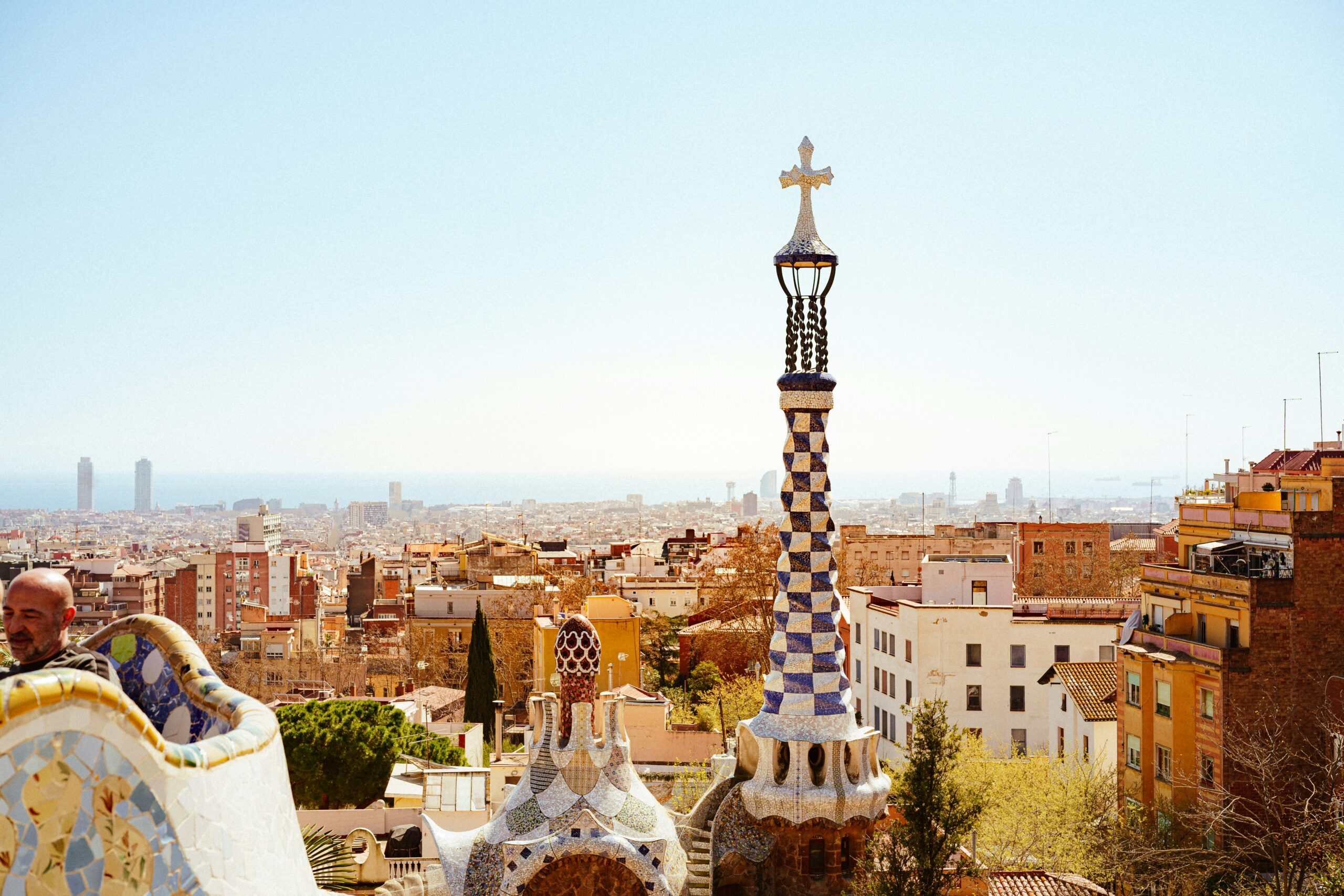
Gaudí’s fairytale city seems to defy physical laws, questioning logic and redefining what we consider possible. Perhaps the true power of his aesthetic lies here: by reimagining what was once thought absolute, his art offers a sense of hope. It reminds us that no situation, system, or belief is set in stone, and that every individual possesses the freedom and potential to shift how others perceive the world.
Yet, paradoxically, Gaudí was a master of those very physical laws. A closer look at his work reveals that he was able to recreate the familiar precisely because he understood the underlying geometry of the natural world—which he considered the most perfect creation of all.
Lessons from the Sacred and the Wild
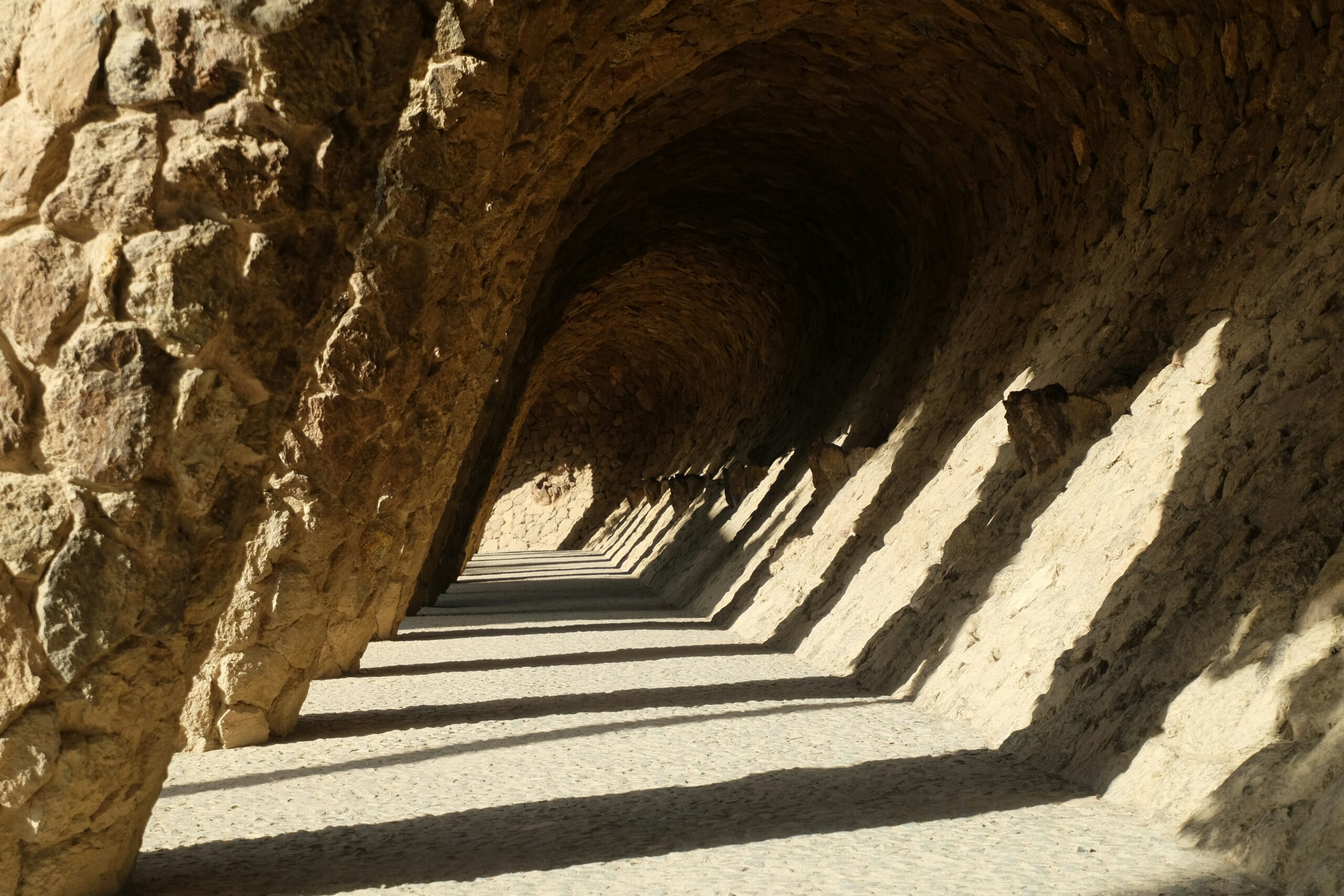
Born in the mid-19th century in the Catalan town of Reus, Gaudí spent much of his childhood immersed in nature. Suffering from rheumatism and possessing a frail constitution from a young age, the young Antoni spent hours observing the geometric forms, colors, and raw materials of mountains, caves, and forests. The jagged peaks of Montserrat and the saltpetre caves of Mallorca and Collbató became the primary inspirations for his lifelong visual vocabulary.
Throughout his career, he sought ways to translate nature’s structural solutions into human architecture. Many of his famous reflections center on this connection: he famously noted that the straight line belongs to humans, while the curved line belongs to God; that nothing exists in art that does not first exist in nature; and that no artificial structure compares to the strength of a tree trunk or human bone. For Gaudí, those who seek the laws of nature in their work align themselves directly with the divine.
He proved that by drawing directly from the organic world, an artist never has to compromise between function and beauty.
Rewriting Structural Rules
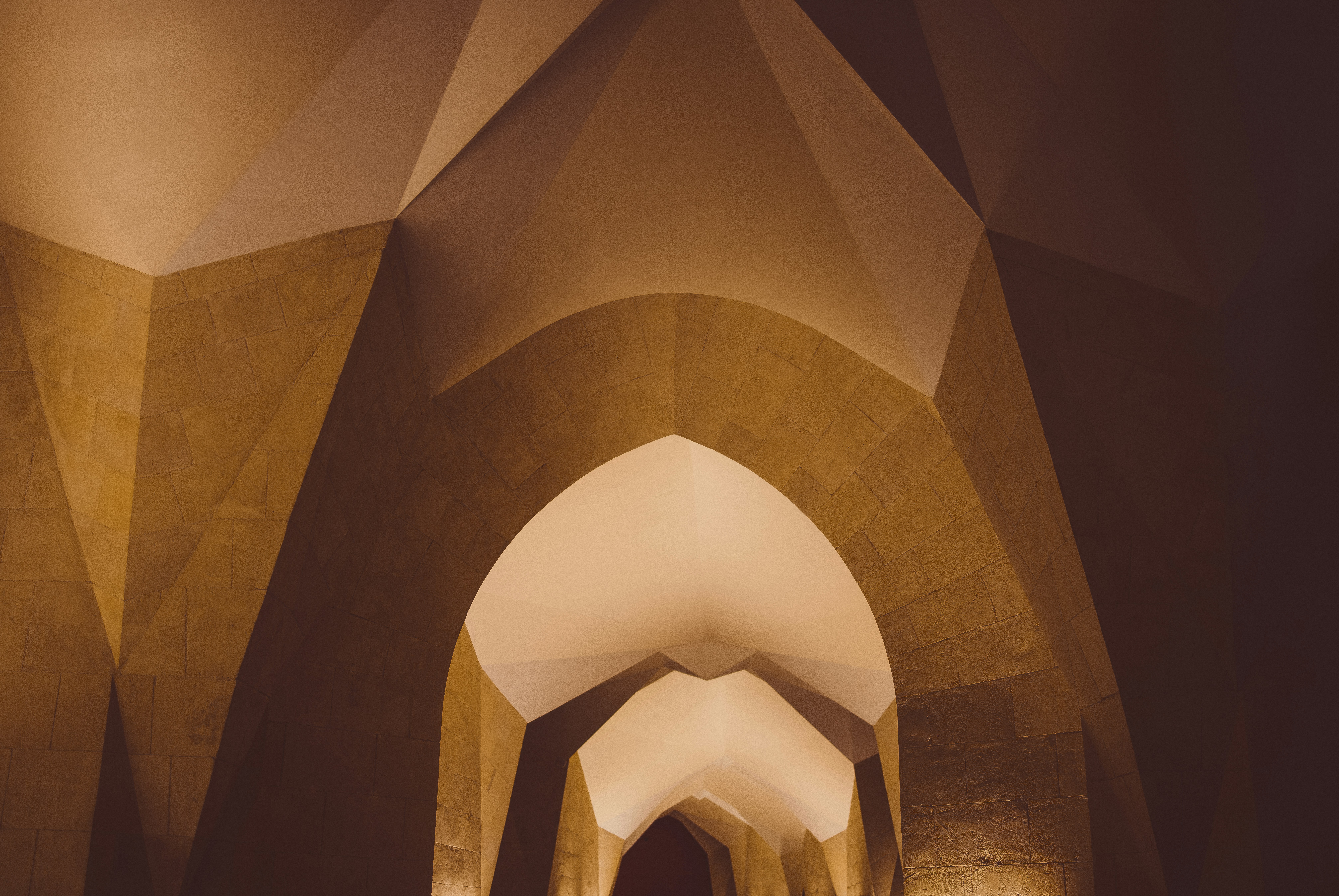
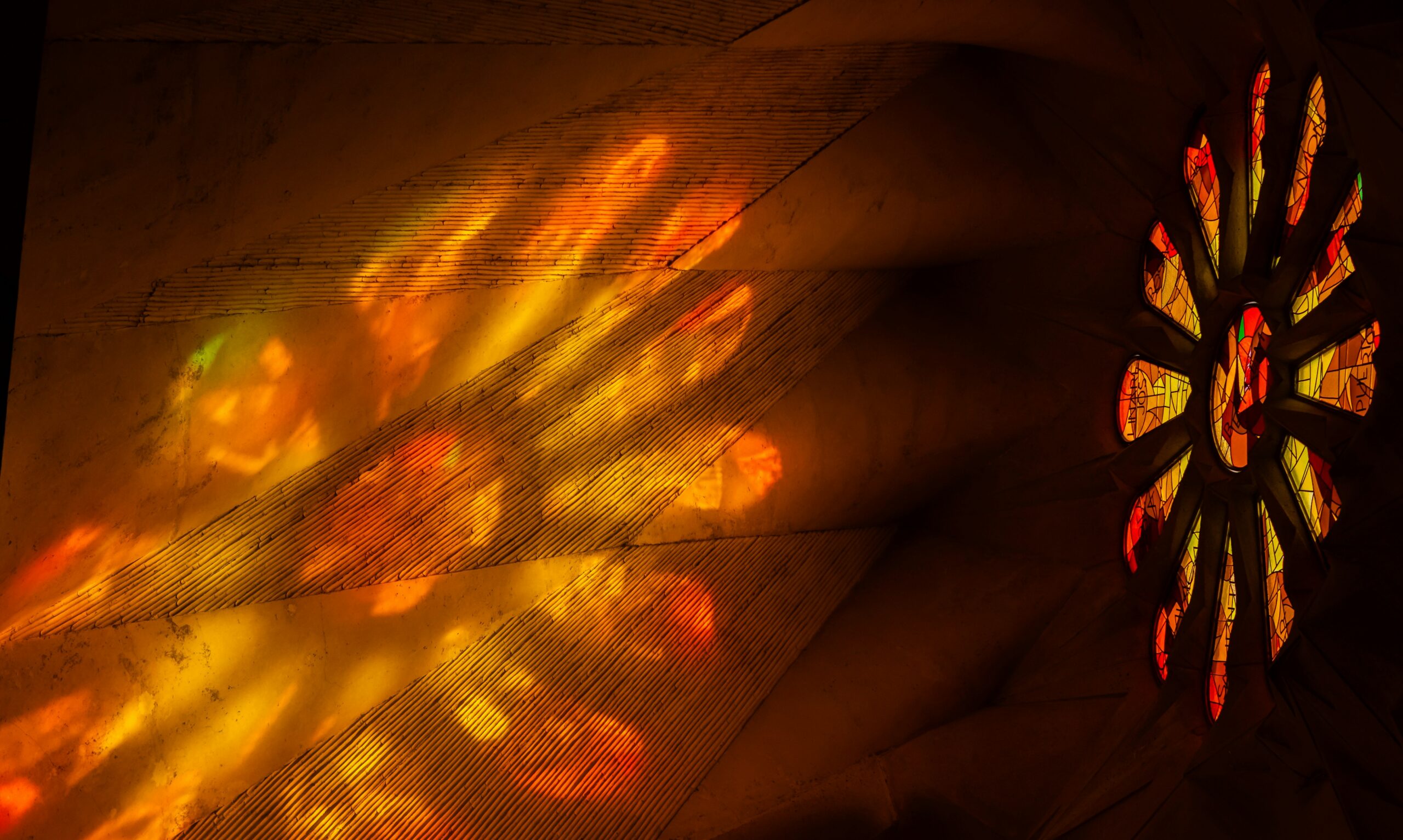
Gaudí’s structural innovations culminated in the design of the Sagrada Família. He envisioned the interior of the basilica as a stone forest, where soaring columns branch out like trees to support the vaults above. By angling columns and employing double-curving hyperboloids, he engineered a self-supporting structure that eliminated the need for traditional external flying buttresses. In doing so, he dismantled the rigid requirements of Neo-Gothic architecture and introduced a radically rational, highly structured language of form.
A Legacy Beyond Logic
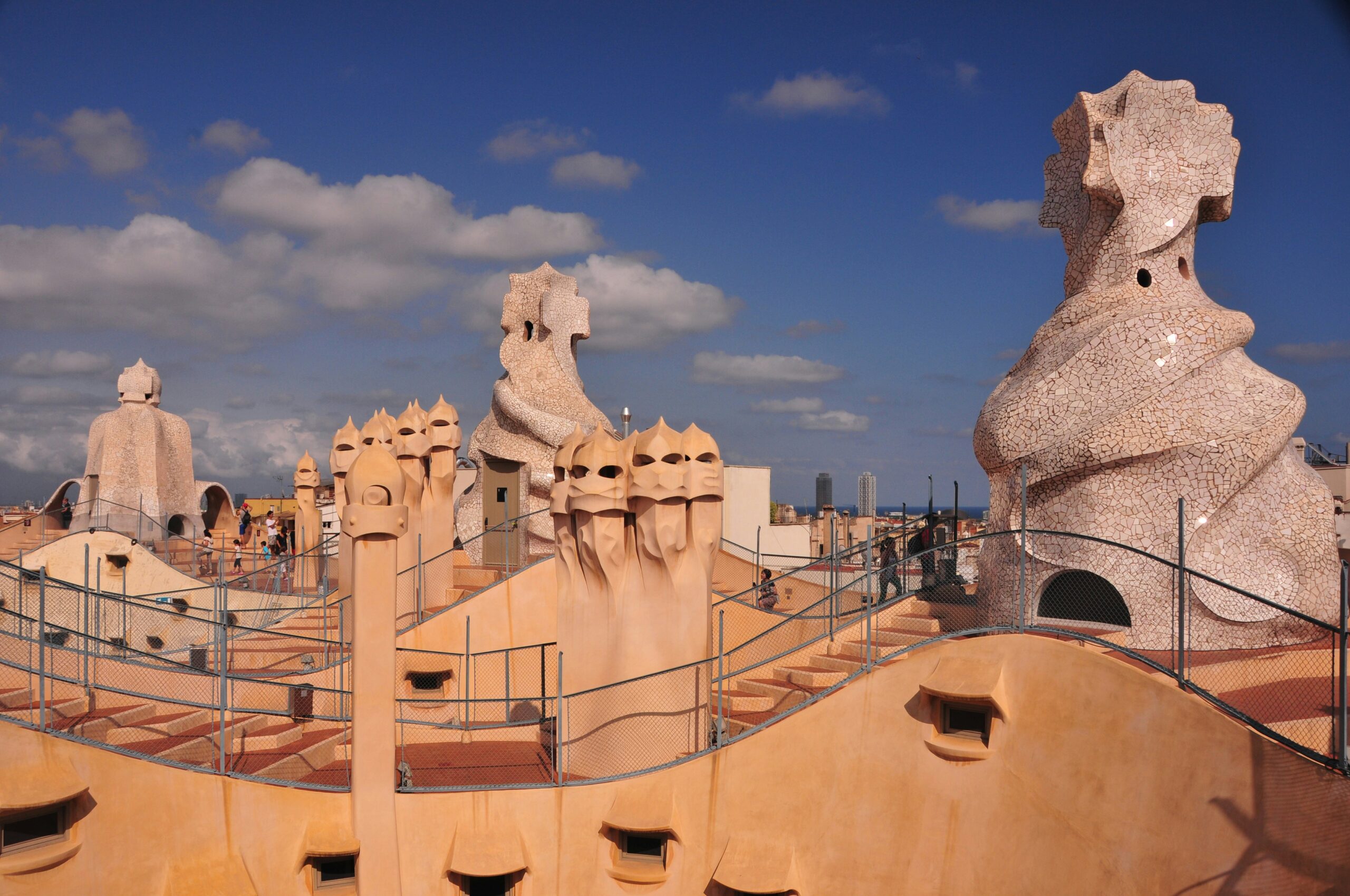
When Gaudí passed away in 1926, he left behind a body of work now recognized by UNESCO as World Heritage—including Park Güell, Palau Güell, Casa Milà, and Casa Batlló. Yet his architecture remained polarizing both during his life and in the decades following. In the 1940s and 1950s, prevailing tastes leaned away from Art Nouveau and Modernisme, with critics often dismissing his work as grotesque or strange.
Towards the end of his life, living in near-solitude and often mistaken for a humble vagrant due to his modest attire, the architect remained steadfast in his vision. Regardless of personal taste, Gaudí proved that no rule or human logic is unchangeable if we take the time to study the extraordinary geometry of the world around us.
Behind the Lens with PerspectivaBCN
While our private walking experiences focus on Barcelona’s hidden literary routes, film locations, and authentic neighborhood life rather than standard monument tours, we believe understanding Gaudí’s philosophy is essential to capturing the creative spirit of Catalonia.
Explore our curated cultural walks.

